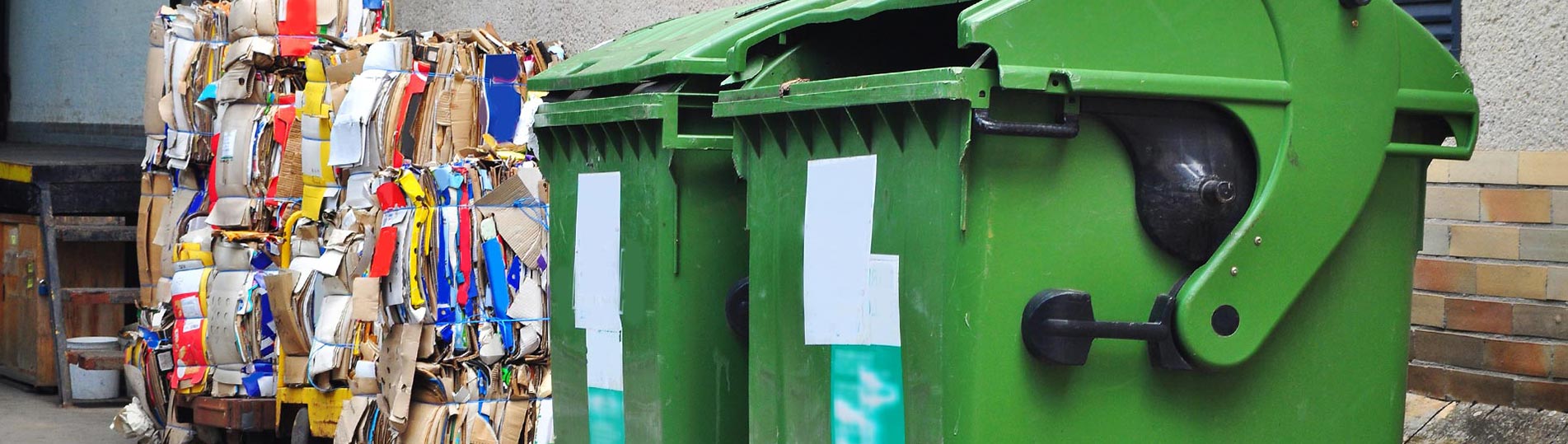
Rubbish Clearance in Wembley
Rubbish Clearance Wembley provides rubbish clearance in Wembley for household, office and building waste that needs collecting, sorting and taking away in a practical way. The service is built around clear removal of unwanted items, from general clutter and mixed rubbish to heavier materials that need careful handling. If you want a straightforward way to clear space without managing transport yourself, this page sets out the main service areas and where to request a quotation.
Our work covers a wide range of waste types, with options that can suit one-off clearances and planned removals. You can use the service for items that have built up over time, material left after works, or contents that need a proper uplift rather than piecemeal disposal. Useful decisions often include what must go, what can stay, and whether the load is mainly household, office or construction-related, because that helps shape the most suitable approach.
For a first look at the main service, see our rubbish clearance page and the broader services overview. If you are comparing scope and cost, the prices page and pricing and quotes section explain the information usually needed before a quotation can be prepared.
Household rubbish clearance made simple
Domestic clearances are often the most varied because they can include furniture, bagged waste, old appliances, broken storage, general bric-a-brac and a mixture of recyclable and non-recyclable items. A well-planned clearance focuses on what is actually there rather than using a one-size-fits-all assumption, so the work can be matched to the amount, type and accessibility of the load. That keeps the process practical whether the job is a single room or a fuller household reset.
In many homes, the main challenge is not just the number of items but the way they are stored, stacked or spread across different parts of the property. Clear access, an accurate description and a sensible order for removal help avoid unnecessary handling. If your property includes awkward routes, heavier pieces or a mix of loose rubbish and reusable items, it is worth noting that in advance so the collection plan can reflect the real conditions rather than an idealised version of them.
For larger domestic jobs, the house clearance service is relevant where whole rooms, loft contents or accumulated household items need attention. When the job is mostly organic waste from outdoor upkeep, the garden waste removal page is the better fit. Request a quotation once you have a clear picture of the items involved.
Site waste and building debris
Building work can leave behind a very different kind of waste from domestic clearances. Rubble, timber offcuts, plasterboard, packaging, old fixtures and mixed renovation debris often need a service that understands how to group and move heavier material safely. The aim is not simply to empty a space, but to deal with the load in a controlled way so the site can move on to the next phase cleanly and without clutter.
Builders' waste is usually best handled as a defined collection, because its weight, shape and composition can affect loading and sorting. If the material is mostly construction-related, the choice of service should reflect that rather than a general household approach. A description of the materials, whether they are bagged or loose, and whether the waste is inside or outside the property all help ensure the arrangement is suitable. Where the waste is from refurbishment rather than a full build, the same principle still applies: the better the description, the more accurate the proposed removal.
The dedicated builders' waste disposal service is the key page for renovation and construction leftovers, while the waste removal page gives a wider view of supported collection work. If you are ready to compare the likely cost of the job, the next sensible step is to ask for a quotation through our contact page.
Office clearance and workplace waste
Office clearances need a different approach from domestic jobs because desks, chairs, filing items, shelving, packaging and general workplace clutter often require separation into useful categories. There can also be more attention needed around equipment, paperwork and the layout of shared spaces. A good clearance plan takes account of what should be removed, what remains on site and whether the waste is mainly furniture, light office equipment or a broader mixed load.
Where business premises need to be cleared, practical planning matters as much as the physical removal itself. Access times, internal routes and the volume of stored material can all affect how the job is carried out. If the waste includes a combination of furniture and everyday office items, a clear list or simple room-by-room description is usually enough to shape the collection. The point is to make the removal orderly and proportionate, not to overcomplicate it.
For workplace jobs, the office clearance page is the most direct starting point, and the insurance and safety information may be useful if you want to understand the service approach in more detail. If you are arranging a business clearance, keep the note brief but specific, then ask for a quotation when you are ready.
Recycling, sorting and responsible disposal
Not every load should be treated as one mixed heap. Good rubbish clearance involves separating what can be sent for recycling, what needs specialist handling and what should be disposed of in the appropriate stream. That is particularly relevant when a job includes a combination of household materials, packaging, wood, metal, garden waste or renovation debris. A sensible process aims to keep the job efficient while still respecting the nature of the material collected.
The practical value of sorting is that it can reduce avoidable mixing and make the disposal route clearer from the start. For customers, this means the most useful information is often not a long explanation but a concise description of the actual waste types and where they are located. Mixed loads can still be handled, but they are easier to plan when the main categories are clear. If you are not sure how to describe everything, a short written summary is usually enough to begin.
Our recycling and sustainability page explains the general approach to reuse and material recovery, while the your rubbish removal needs page helps frame the type of clearance you may require. When the main question is cost, the most practical next move is still to request a quotation in plain terms.
How to prepare a clear quotation request
The best quotation requests are simple, accurate and specific enough to describe the work without making it complicated. A brief note about the type of waste, the amount involved and whether anything is particularly bulky or awkward to reach usually gives enough context for a useful estimate. If there are stairs, shared access points or material spread across several rooms, those details matter because they change the shape of the job even when the waste type is the same.
You do not need to overstate the issue or build a long explanation. In many cases, a short list is enough: what needs removing, where it is located, and whether it is inside or outside. If you can identify items that are especially heavy, fragile or mixed with other materials, mention them too. That keeps the enquiry focused on the real work rather than broad assumptions, which is especially helpful when the load includes more than one kind of rubbish.
A simple checklist can help before you send details:
- the main waste type or types
- the approximate amount
- the property type or setting
- any access issues
- whether the items are bagged, loose or stacked
Once you have that, you can move on to the
contact page to ask for a quotation.
What affects the cost of rubbish clearance
Clearance pricing is usually shaped by the nature of the waste rather than by a single fixed assumption. Volume, weight, access and the type of material all influence how a job is assessed. A small load of light rubbish is different from a mixed collection that includes heavier items, and both are different again from waste that needs more careful handling because of its composition or location. That is why a quote is more reliable when it is based on the actual job description.
It can also help to think about whether the items are already gathered together or still spread across a property. Waste that is ready to load may be more straightforward than material that first needs to be carried from several rooms or floors. The same applies to awkward access, parking constraints or long carrying distances. These are not unusual problems, but they are relevant when the work is being priced and planned, so it is worth including them upfront.
If you want to compare service options before getting in touch, the prices page and pricing and quotes page are the best pages to review. You can then ask for a quotation once you have the essential facts to hand, without needing to write anything elaborate.
About Wembley
Wembley is an area in north-west London best known for its association with major sporting and entertainment landmarks, but it is also a place with a wider urban identity shaped by transport, housing and long-term redevelopment. Historically part of Middlesex, Wembley grew from a collection of settlements before becoming a substantial suburb of London. The area lies within the London Borough of Brent, and its built environment ranges from older residential streets to newer commercial and mixed-use developments. The presence of Wembley Stadium has given the district strong national visibility, while the surrounding streets, shopping areas and public spaces show the everyday life of a busy London suburb. The most prominent landmark is the stadium itself, opened in 2007 on the site of the original 1923 ground, with the adjacent Wembley Arena also contributing to the area’s profile as a major event destination. Local transport is a defining feature: Wembley Central, Wembley Park and nearby stations connect the area to the wider capital, and those routes have long supported residential and commercial growth. Parks and open spaces add a different character, including King Edward VII Park and the wider network of streets and estates that reflect twentieth-century expansion. The result is an area that combines large-scale venues, local shopping, housing and everyday neighbourhood activity in a way that is recognisably urban and distinctly north-west London.
Domestic, commercial and site-specific clearance choices
Choosing the right clearance approach depends on the setting as much as the waste itself. A domestic job may centre on furniture, bags of household rubbish or a mix of general items, while a commercial setting may involve office furniture, archive-related material or seasonal clutter. A site job, by contrast, often needs more emphasis on heavier material, building debris and a tidy sequence of removal. Matching the service to the setting is what keeps the job efficient and proportionate.
It is also worth thinking about the balance between items that need disposal and items that are being retained. Good clearance work depends on not taking away what should stay, especially when the waste is spread through more than one room or part of a premises. If the job contains a mixture of reusable, recyclable and disposable material, a careful description helps make sure the work is handled in the right way. The more specific the starting point, the more workable the proposal tends to be.
For mixed or property-wide jobs, the services overview gives a concise summary of the main options. When you are ready to move from planning to action, ask for a quotation and use the contact page to keep the arrangement simple.
Arrange your Wembley rubbish clearance
When you are ready to clear waste from a home, business or worksite in Wembley, the quickest route is to give a short outline of what needs removing and where it is situated. That can be a sentence or two, not a formal report. If you already know the main category of waste, the rough quantity and any access detail, you have enough to begin a sensible quotation request without unnecessary back-and-forth. Keep it practical, and the next step becomes much easier.
For more detail on how the service is presented, you can revisit the relevant pages on waste removal, builders' waste disposal or house clearance, depending on the type of job. If your requirement is more specialised, the related service page will usually be the most useful place to start before you ask for a price.
For a quotation, use the contact page and send the key facts in plain language. A clear enquiry is the best way to get a practical response, and it keeps the process simple from the outset.


 Tipper Van - Junk Disposal and Rubbish Clearance Prices in Wembley, HA0
 Luton Van - Junk Disposal and Rubbish Clearance Prices in Wembley, HA0